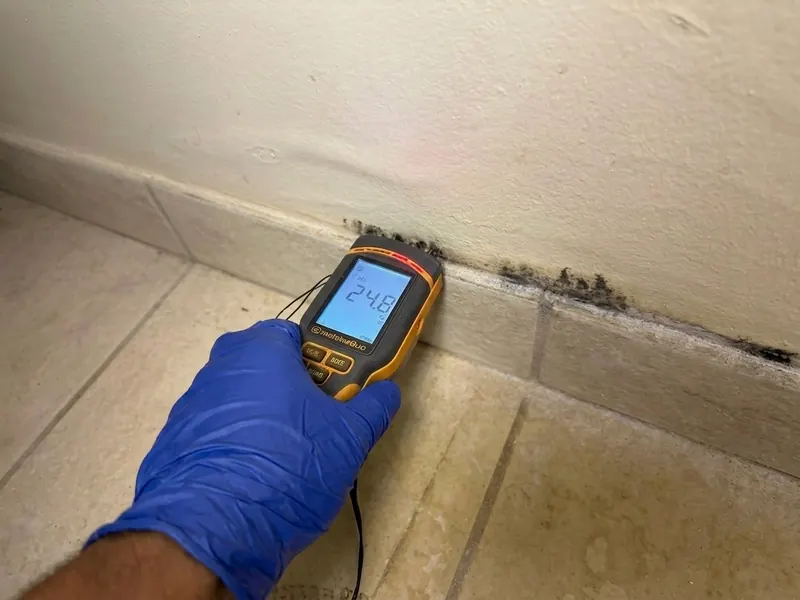
 Musty smells or hidden spots
Mold Inspection & Testing
Find the hidden mold and figure out what’s causing it, so you know exactly what you’re dealing with before paying for removal.
See how an inspection works →
Our local mold specialist can do a mold inspection and test for what you can't see, then remove the mold and fix what caused it. That might be a leak, water coming through a stone cellar wall, or summer air condensing in a cool basement, anywhere in Gettysburg and Adams County.
Mold removal covers seven different jobs, and which one you need depends on where the mold is and what caused it. If you can smell mold but can't see it, start with an inspection. Mold testing explains what a sample can find behind a wall or under a floor. If you've already found it on a wall, in the basement or up in the attic, go straight to that one, and if it showed up after a leak or flood, have a look at mold after water damage. Not sure which residential mold remediation service in Gettysburg you need? Find the one below that sounds like what's happening in your home. Live in one of the older places in town? Start with mold in old Gettysburg homes, which explains why stone cellars hold damp.
Musty smells or hidden spots
Find the hidden mold and figure out what’s causing it, so you know exactly what you’re dealing with before paying for removal.
See how an inspection works →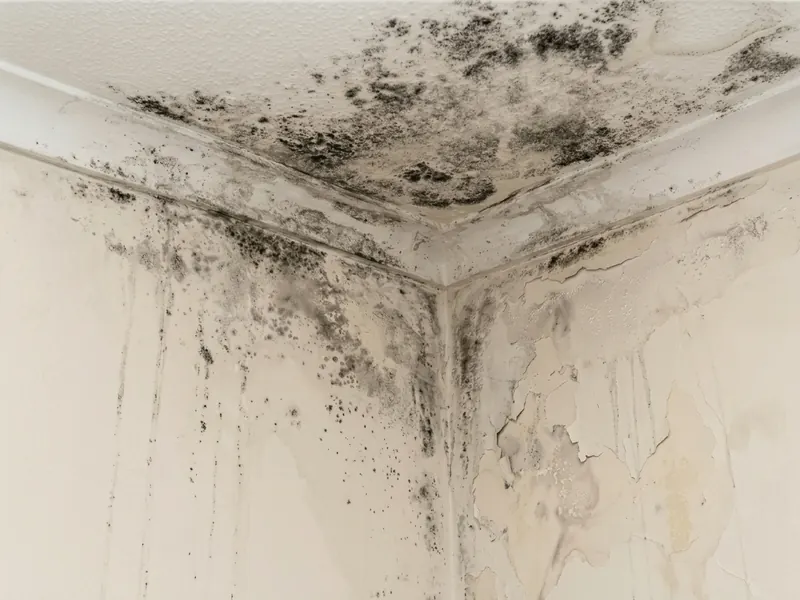 Dark patches on walls or ceilings
Remove the black mold safely and fix the damp behind it, so it doesn't grow back in the same place.
Find out about black mold removal →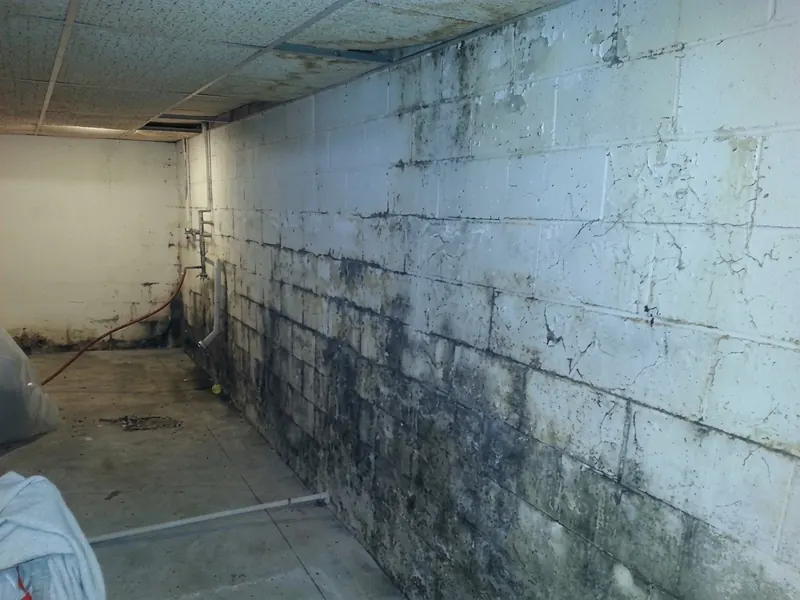 Musty, damp basement
Clear the mold out of your basement and stop the water from getting in, so you can actually use the space again.
See how basement mold is fixed →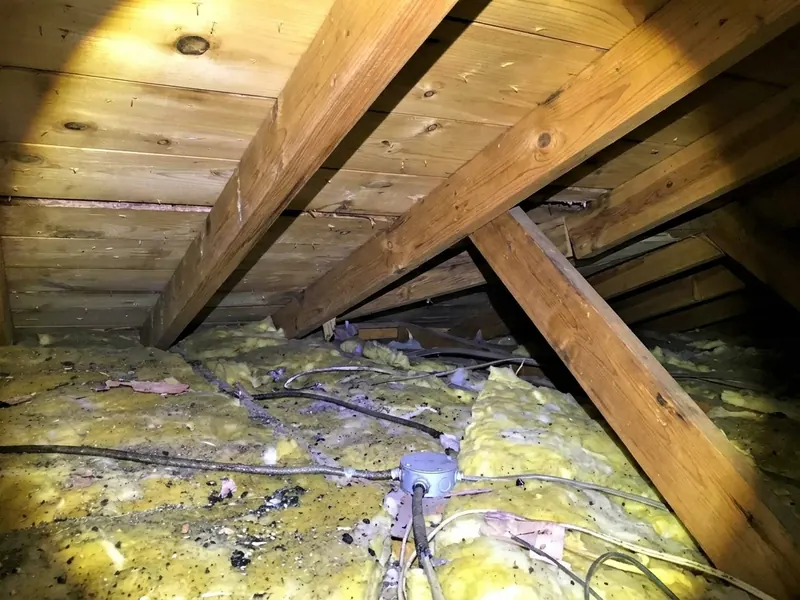 Musty smells from below or above
Clear out mold under your floors or up in your attic before it spreads into the rest of your house.
Learn about crawl space and attic mold →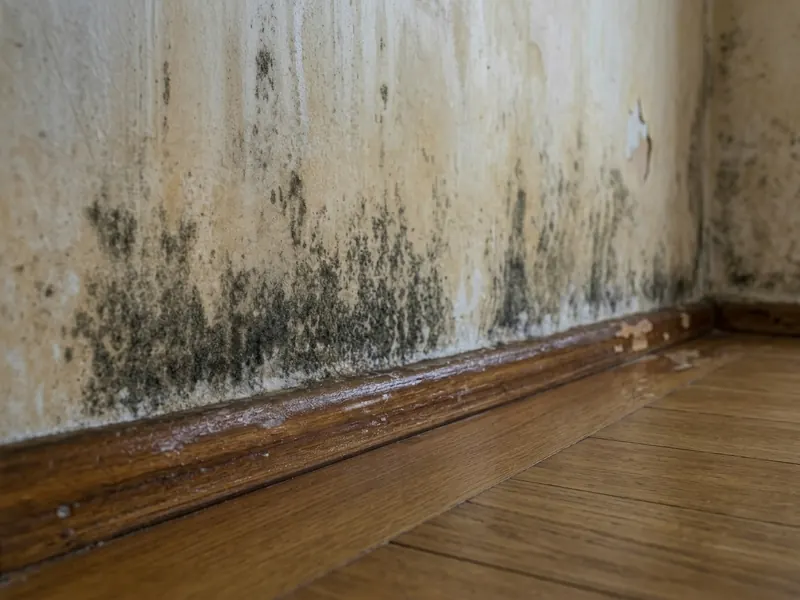 After a leak or flood
Dry out what's wet and check what's behind it within 48 hours of a leak or flood, before mold gets going.
What to do after a leak or flood →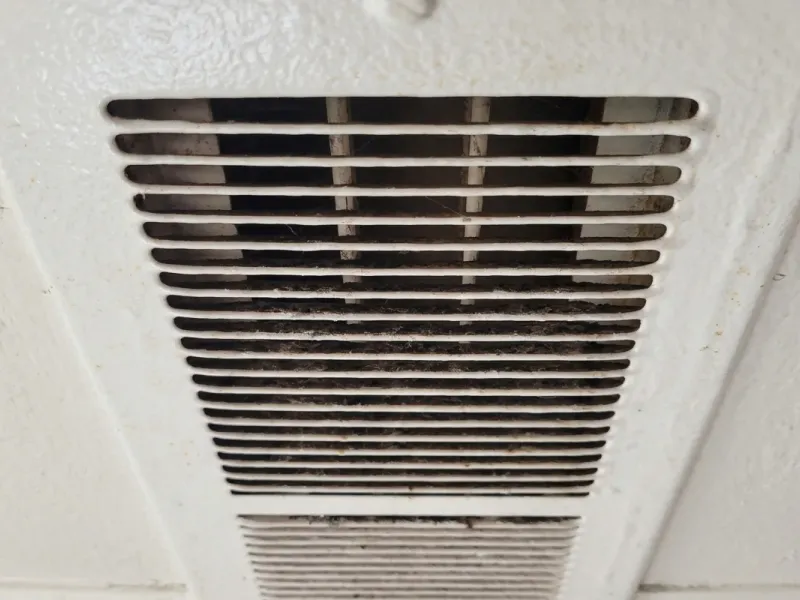 Musty smell when the AC turns on
Check the coil, the drain pan and the ducts, clean what can be cleaned and replace what can't, so the smell stops coming back.
Learn when duct cleaning works →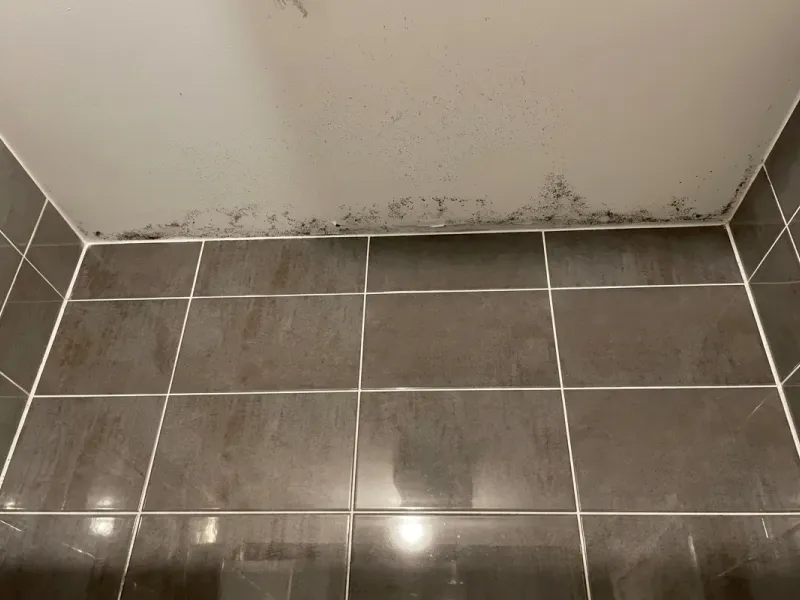 Mold that keeps coming back
Clear the mold and get the room vented properly, so the steam from your shower stops settling on the same ceiling.
Learn how proper ventilation helps →Send a quick note about what you're seeing and where, and we'll pass it straight to our local mold specialist, who'll get back to you about what's involved and an estimate.
Get Estimate → or call (223) 747-0678Nearly half the homes in Gettysburg were built before 1940, with a median build year of 1942. They feature stone and brick cellars, no damp courses under the walls, and timber floors set directly above dirt. None of that was a mistake at the time. These houses were designed to breathe, relying on open fireplaces to constantly pull fresh air through the building.
What changed is modern living: storm windows, attic insulation, and central heat replacing open fireplaces. Homes became warmer and airtight, trapping moisture indoors that used to draft right out.
If your home pre-dates the 1960s and smells damp downstairs, the cellar is almost always where a specialist needs to start.
From late May through late September, Gettysburg experiences high humidity roughly one out of every seven days, and July alone brings over fifteen muggy days. When that warm, humid outdoor air hits a cool basement or an unventilated room, it condenses onto cold walls.
No pipe has leaked, and a moisture meter upstairs might read completely normal. The house simply can't evaporate the moisture the air continually deposits inside.
The wettest months also surprise most homeowners. May leads with 3.5 inches of rain, while September and October both average over 3 inches. As a result, the ground around your foundation releases moisture well into the fall, long after summer humidity fades.
Tip: If your mold appears every summer and clears up during winter, let us know when requesting an estimate. That pattern points to air condensation rather than a structural pipe leak.
An old house off the square and a 1950s build out in Colt Park get mold for completely different reasons.
Right around the square, homes are among the oldest in the borough. Nearly half of all Gettysburg houses went up before 1940. There, dampness usually starts in the stone and brick foundation itself, which pulls ground moisture straight up into the walls.
Further out, in neighborhoods like Colt Park, homes were built between 1947 and 1990, and the problems are typical of mid-century houses: a crawl space sitting over bare soil, or a bathroom exhaust fan venting into the roof space instead of outside.
Stevens Run cuts right through the borough in a concrete channel, so low-lying homes near it can get water seeping in along the bottom of basement walls after heavy rain. Along Steinwehr Avenue, which is lined with hotels, guesthouses, restaurants and shops, any remediation work has to be scheduled tightly around bookings.
Tell us roughly where you are and what you've found, and our specialist may know the likely cause before stepping inside.More homes in Gettysburg borough are rented than owner-occupied (1,304 vs. 1,143). Pair that with historic housing stock, and the most common local mold issue involves an old home where the person smelling the damp isn't the person authorized to approve repairs.
If you rent, legal responsibility comes down to the moisture source:
An independent inspection report clearly identifying the root cause is usually what resolves things.
Pennsylvania Tenant Mold & Repair RightsGetting mold removed from your Gettysburg home is usually less hassle than you'd expect. Our local mold specialist will close off the area with plastic, take out anything too damaged to save and run air filters while they clean up, and on smaller jobs you can get on with your day in the rest of the house.
Your specialist looks for where the moisture is coming from and how far the mold has spread.
Plastic sheeting goes up around the area, so spores stay put and the rest of your home stays clean.
Anything that can't be saved, like soaked drywall or insulation, is taken out and bagged.
Surfaces are cleaned and treated while air filters pull loose spores out of the air.
The leak, drainage or airflow problem gets repaired, so there's nothing left for mold to grow on.
A final check or air test shows the area is clear before anything is put back.
If it's only a small patch, under about 10 square feet, EPA guidance says you can usually clean it up yourself, as long as you fix the damp that caused it. For anything bigger, hidden or coming back, and for more detail on each step, have a look at how mold removal works in your home.
Most mold remediation costs $1,500 to $6,000, based on HomeGuide's 2026 national ranges. See the mold remediation cost guide for the full breakdown. Pick where the mold is and roughly how big, and you'll see a price range for your job.
Where's the mold?
Whether insurance pays for mold remediation in PA mostly depends on what caused the mold.
Take photos and note when you first saw the water, as that helps with a claim. More on insurance and mold in PA.
Looking for mold removal near you in Adams County? Tap your town on the map to see how our local mold specialist can help with mold remediation where you live, or see every area served across Adams County.
The six towns above are our most frequent service areas, but our local specialist covers all 34 boroughs and townships in Adams County.
Boroughs
Townships
It shouldn't be, as long as the company shows you where the moisture is coming from, puts the work and price in writing and tests afterward. That way you can see what you paid for, and how mold removal works shows what to expect.
You can, but Pennsylvania's Seller Disclosure Law means sellers need to disclose known material defects. A mold inspection gives both sides the facts, so you can fix it or agree on a fair price before closing. If the inspection is for a sale, mold inspection for a home sale covers how buyers and sellers usually split the cost.
You can use the space again as soon as the work is finished and a final check shows it's clear. On smaller jobs you can usually stay home the whole time, as long as you keep out of the sealed-off area.
Start with your insurance, then fix the leak or damp so the mold doesn't keep spreading. Patches under about 10 square feet are usually fine to clean yourself, and the mold remediation cost guide helps you compare quotes.
More answers on our mold FAQ page: what mold smells like, whether vinegar works, how long you need to stay out, and what it costs.
Tell us where the mold is and how to reach you, and we'll pass it straight to our local mold specialist, who'll get back to you about next steps and an estimate. If you'd rather talk it through, give them a call.
Call now (223) 747-0678 Mold remediation in Gettysburg and Adams County